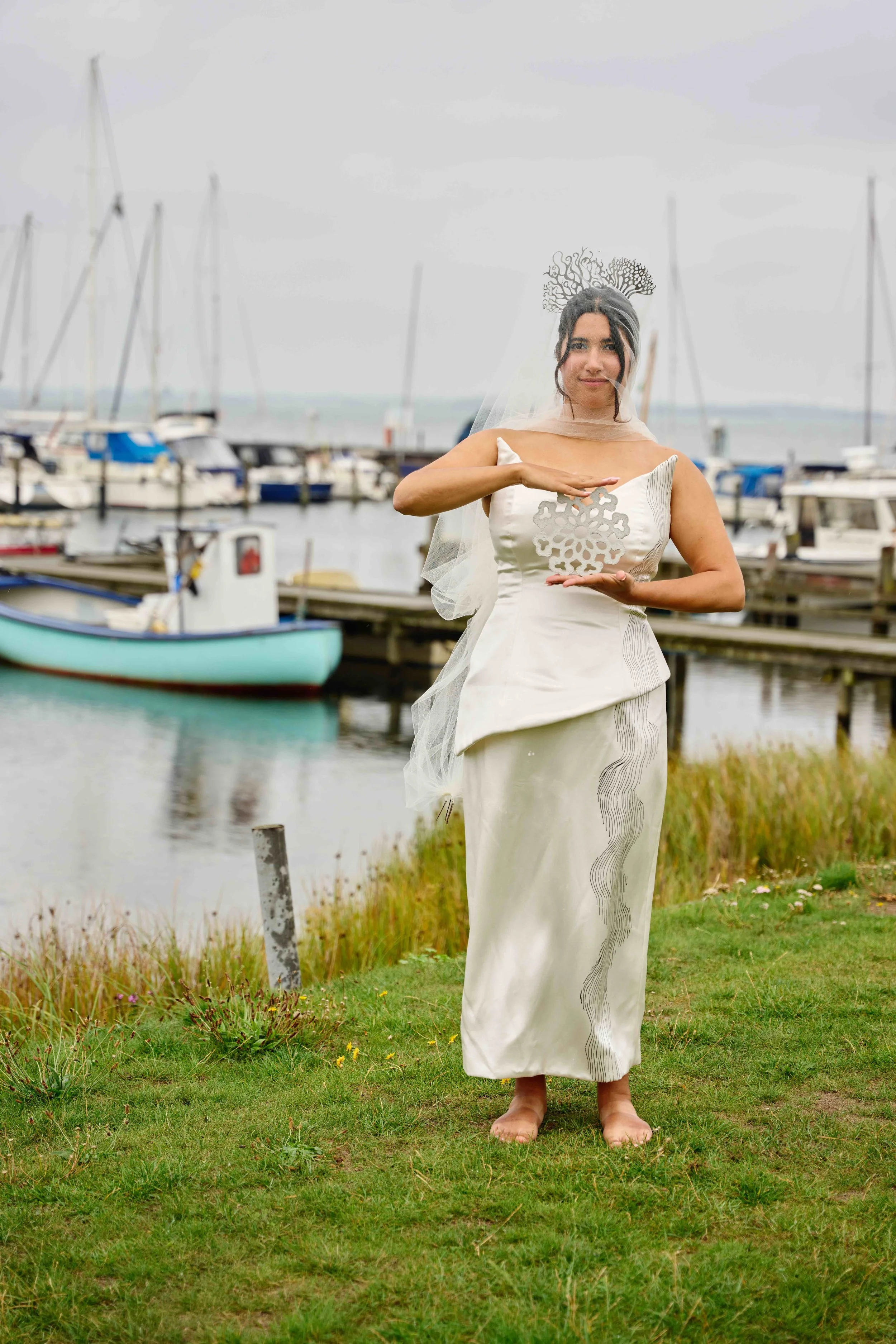
Meet EVE.
EVE is a social framework developed as a companion to coral restoration specialist David Lennon’s technical ADAM framework, focusing on public participation, education, citizen science, and long-term community stewardship.
EVERYONE VALUES ECOLOGY
We create a collective culture around caring for the ocean, and taking responsibility for improving it.
EVERYONE VISUALIZES ECOLOGY
We create opportunities for people to help imagine and design ecological interventions on site, while learning about best practices for improving habitat for different species.
EVERYONE VERIFIES ECOLOGY
We ensure the site is monitored and maintained long-term, by working with schools, non-profits, on-site observations, camera monitoring and a/biotic measurements.
Turn a paper snowflake into a reef
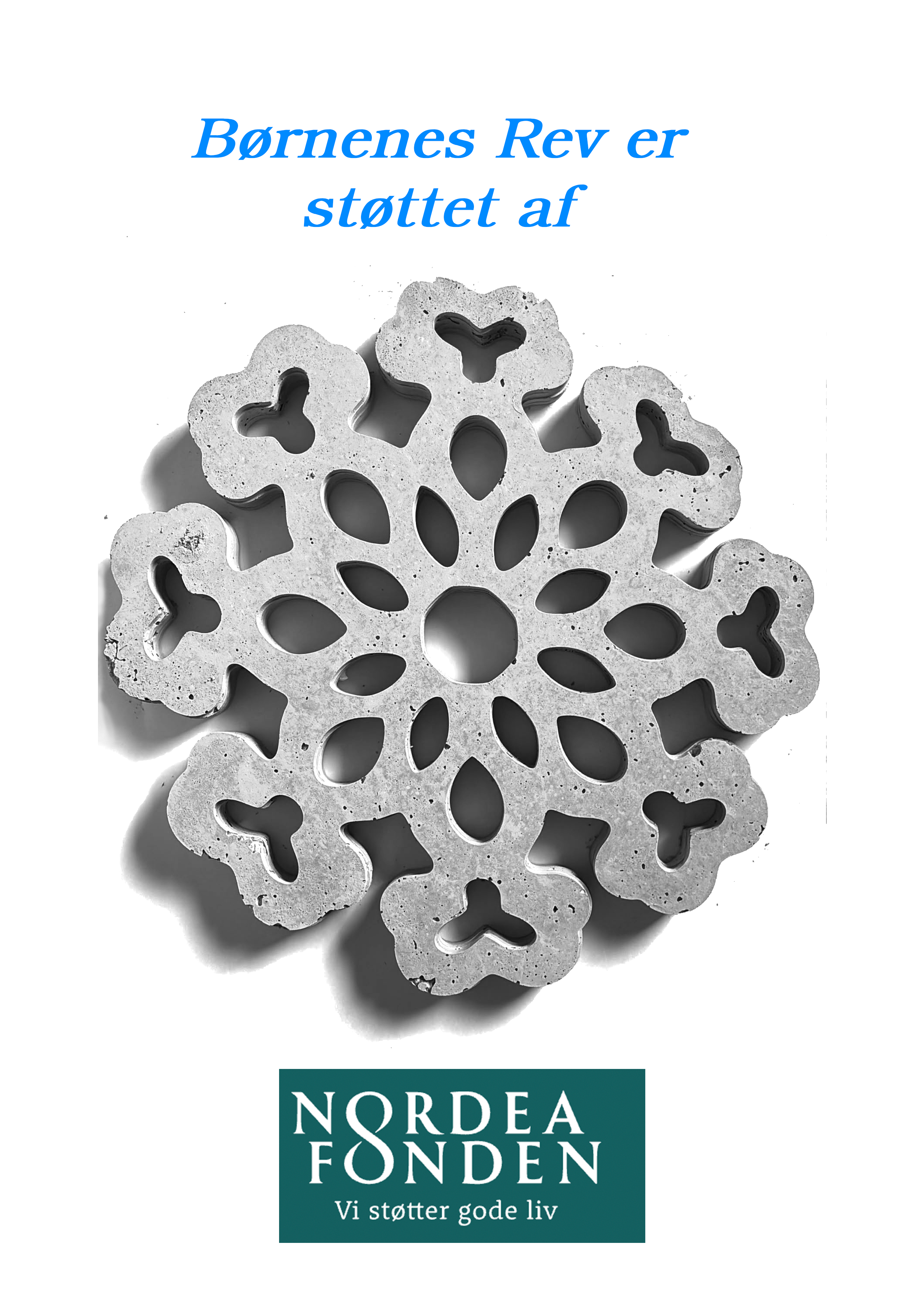
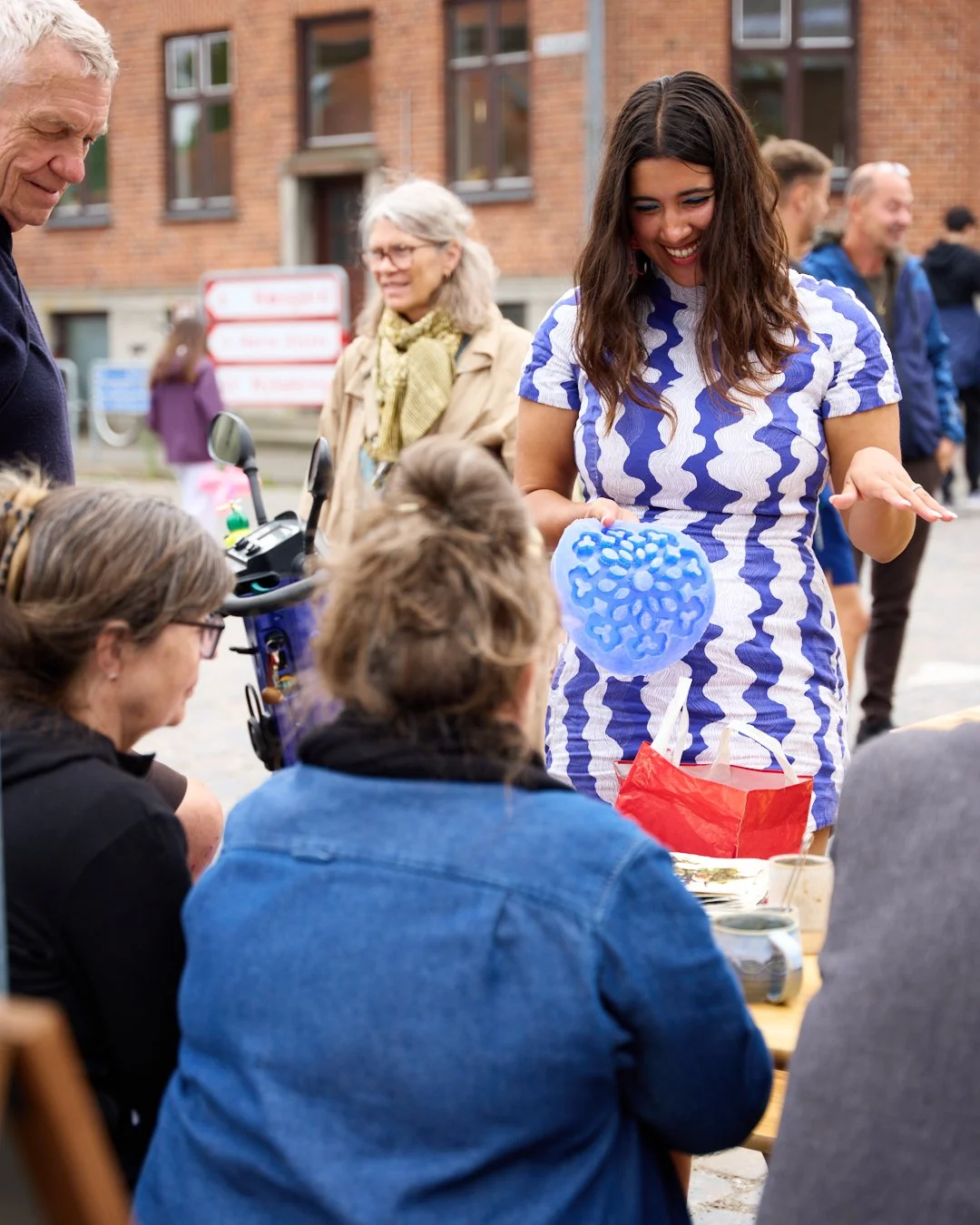
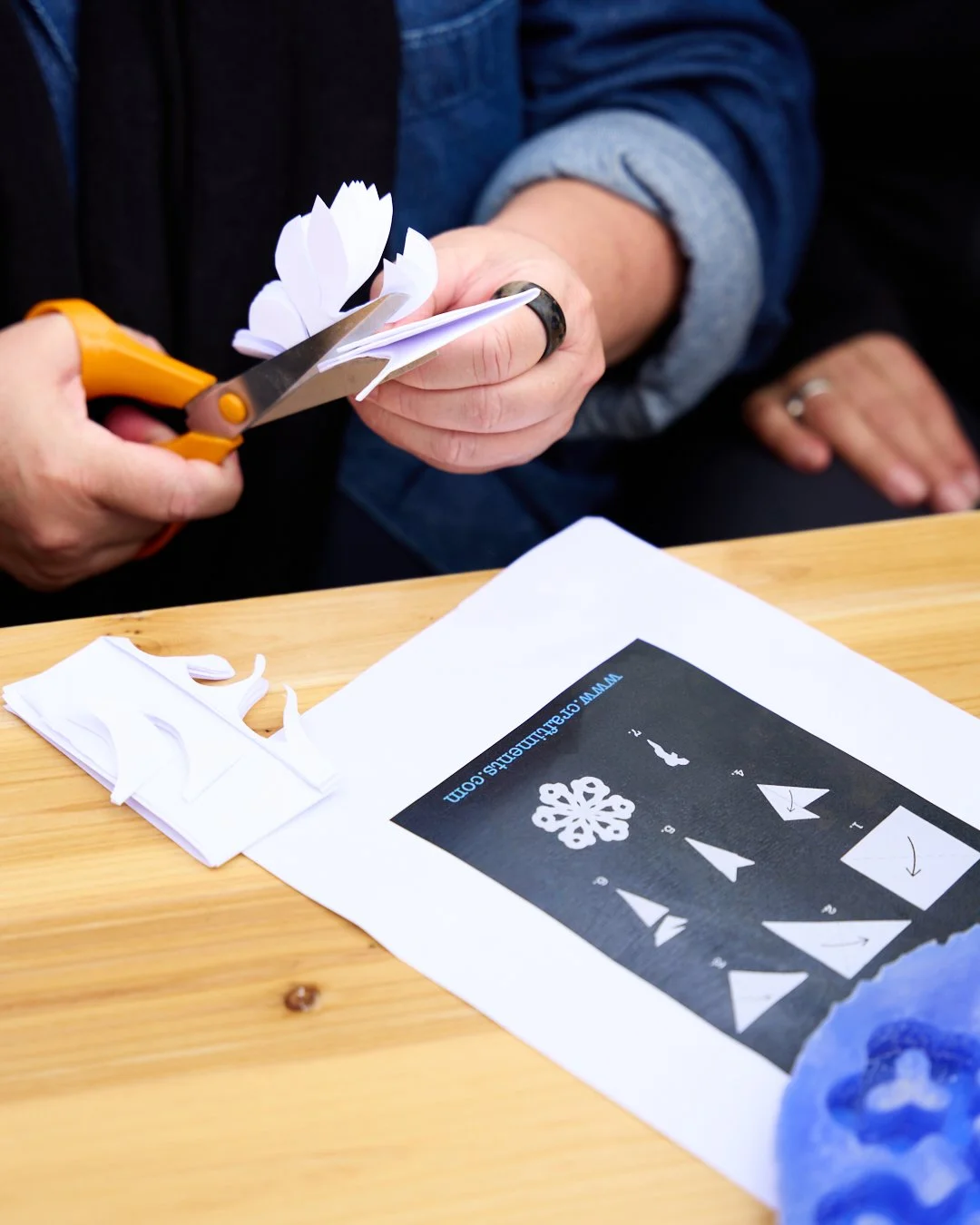
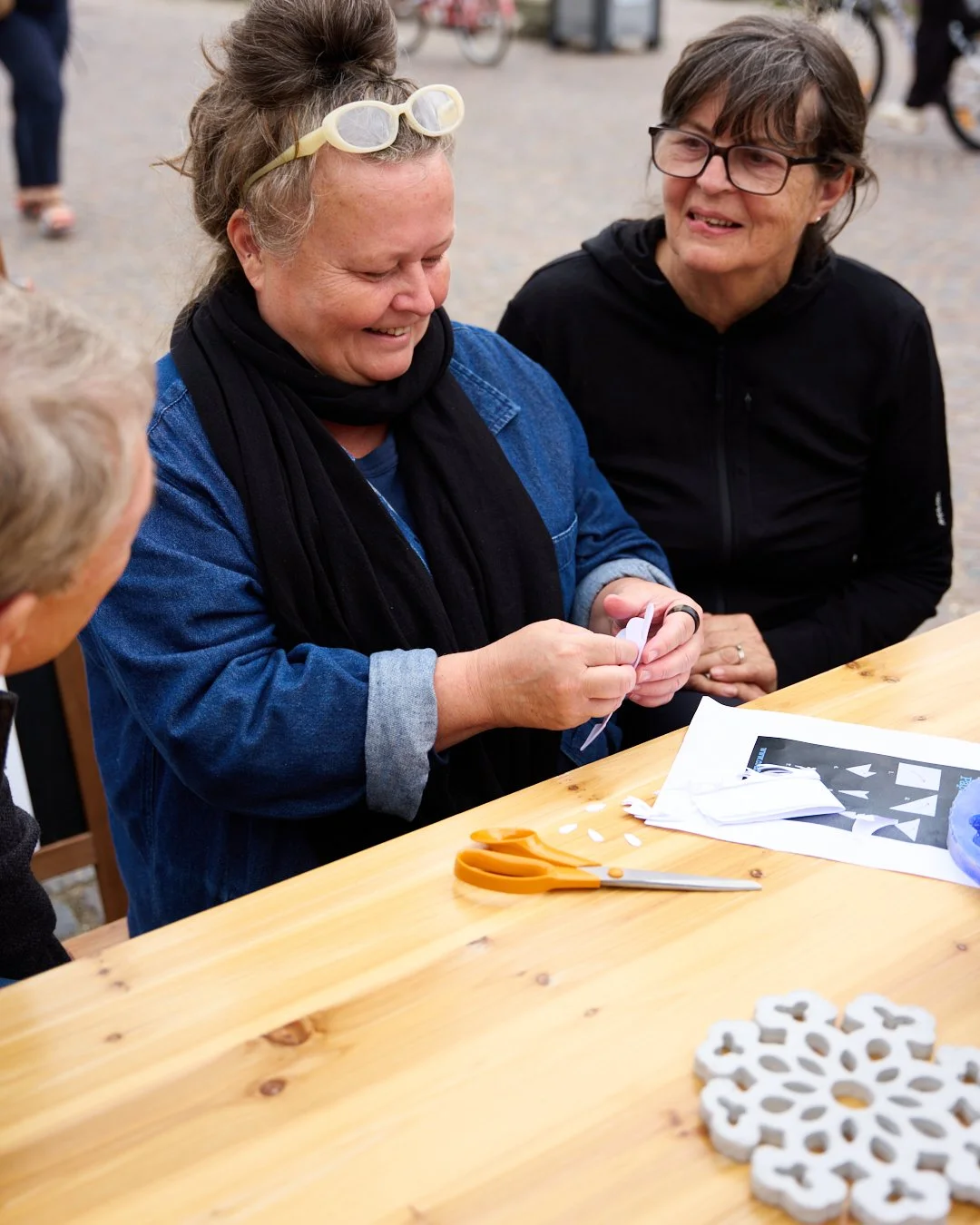
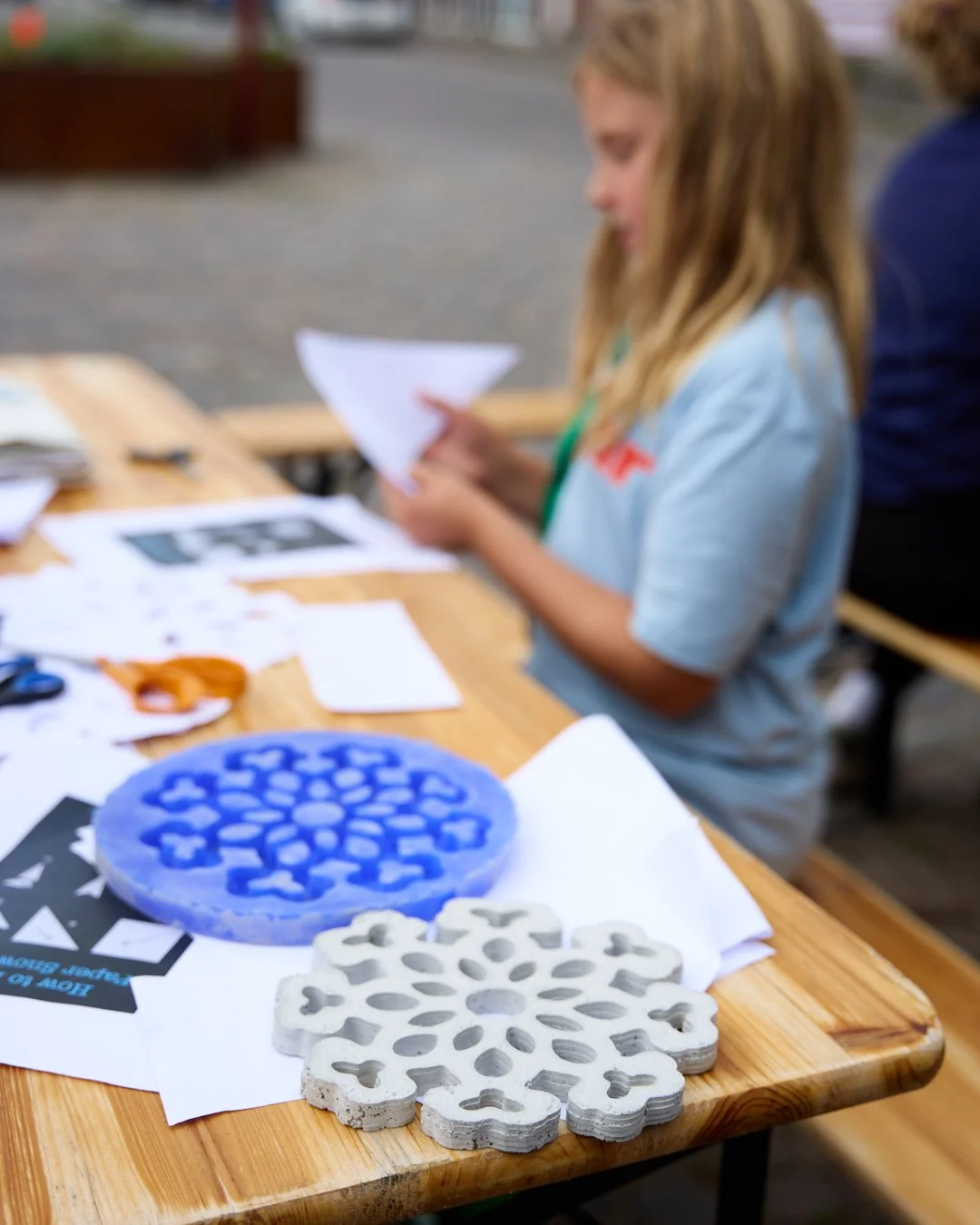
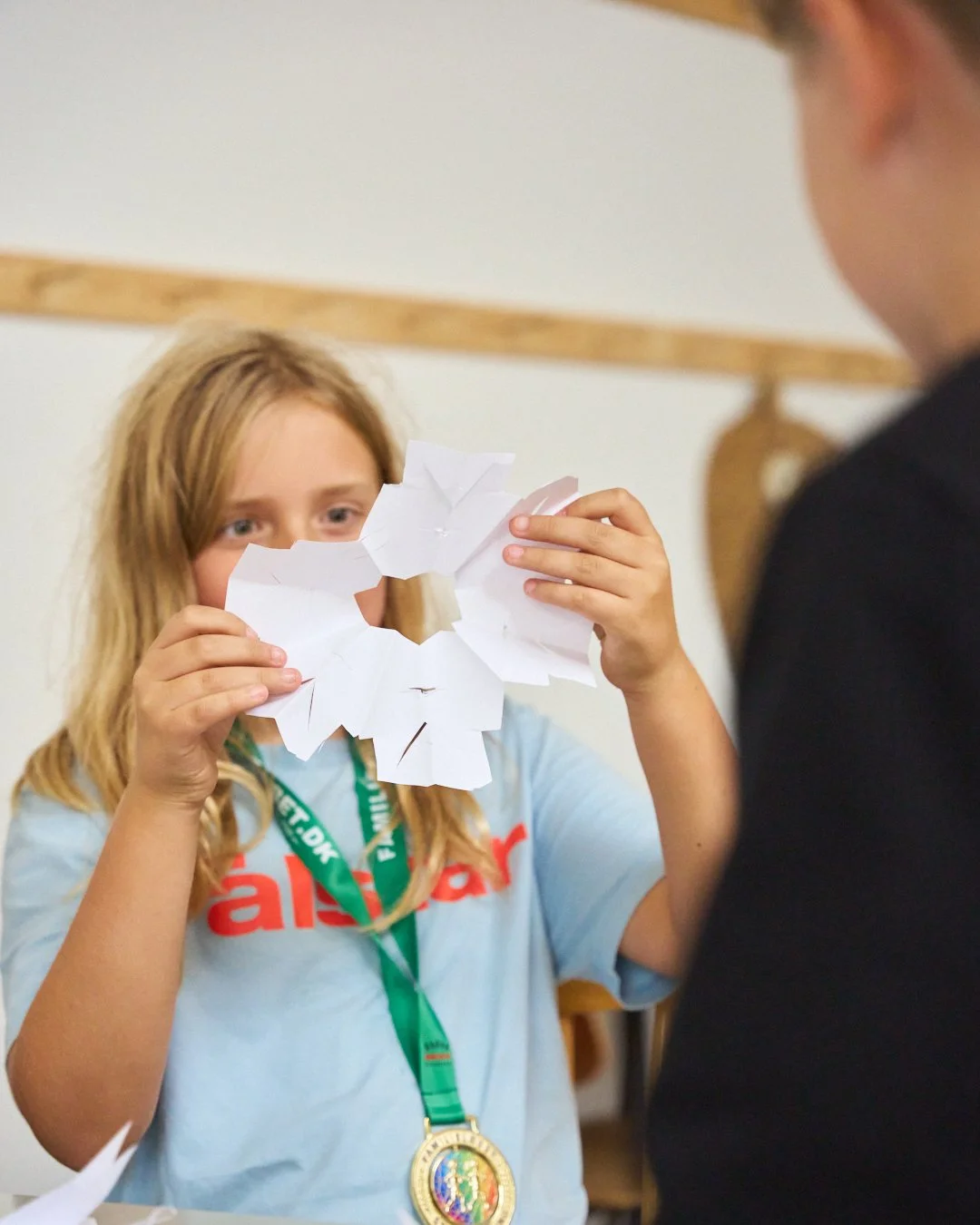
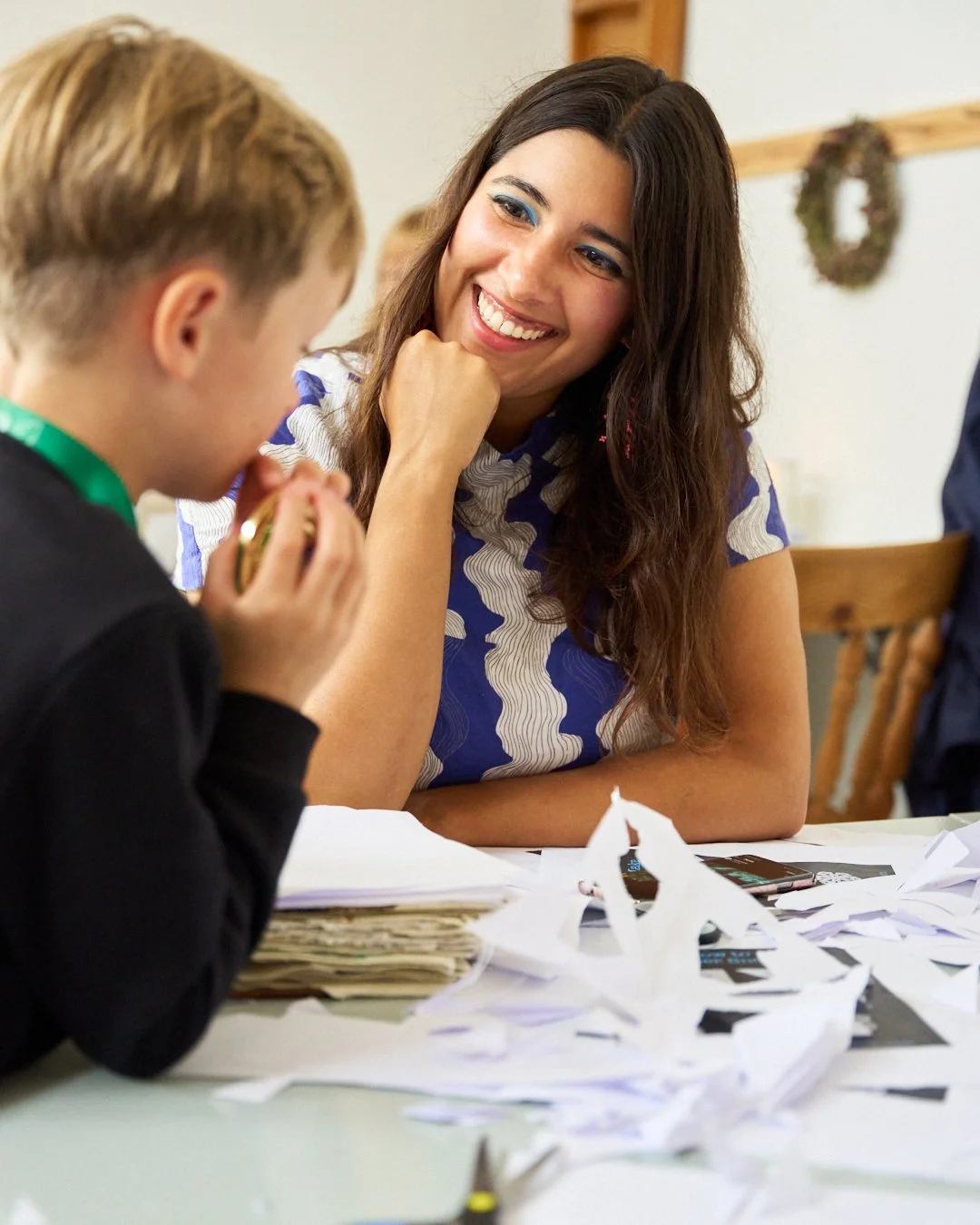
We created a distributed design manual that allows anyone to participate in an algorithm for generating reef forms. All you need is a sheet of paper and a pair of scissors: cut a paper snowflake, and your pattern becomes part of the design process.
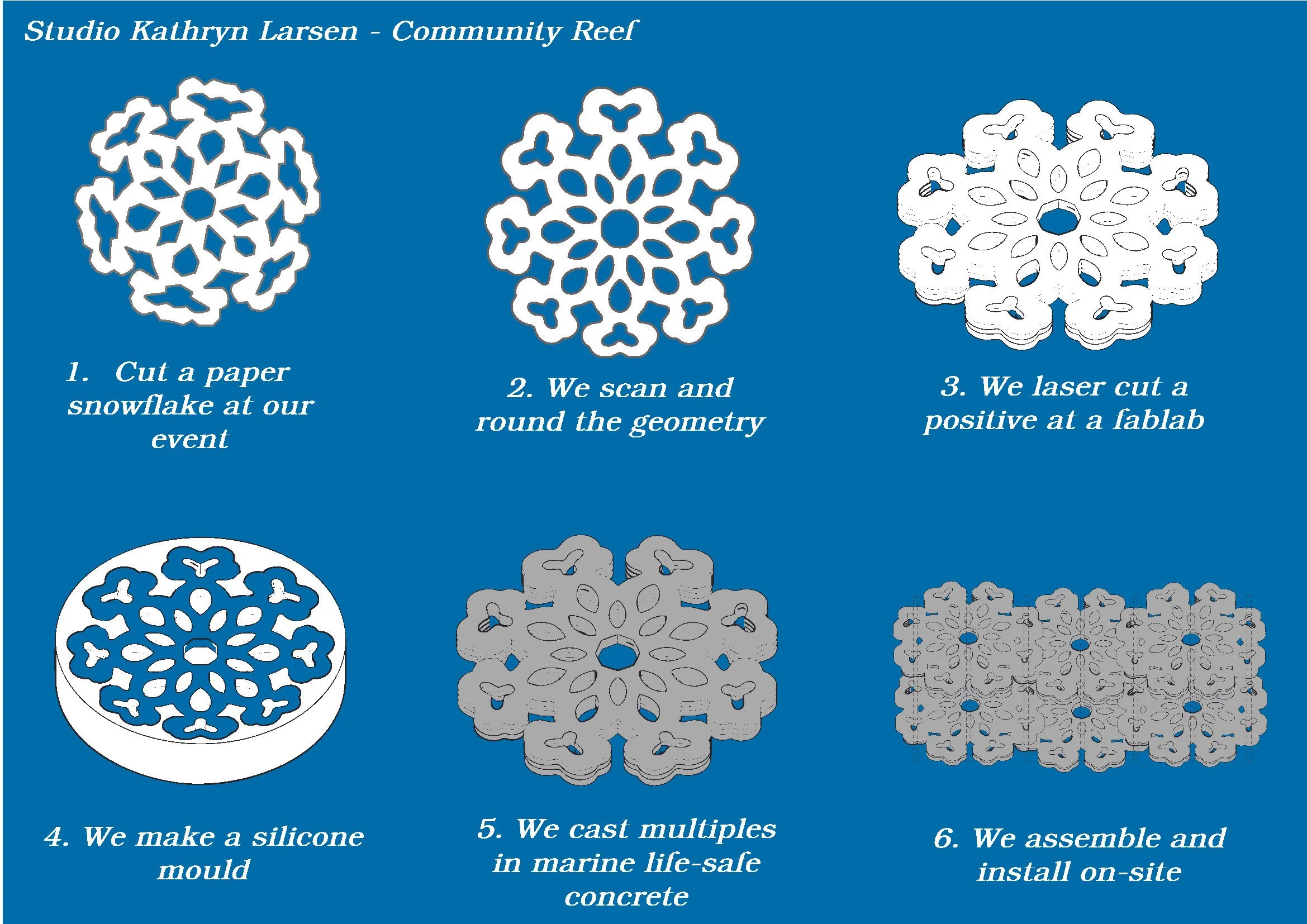
EVE was developed in July 2026, following a series of workshops, lectures and public experiments on marine biodiversity with communities in Copenhagen and Lolland-Falster.
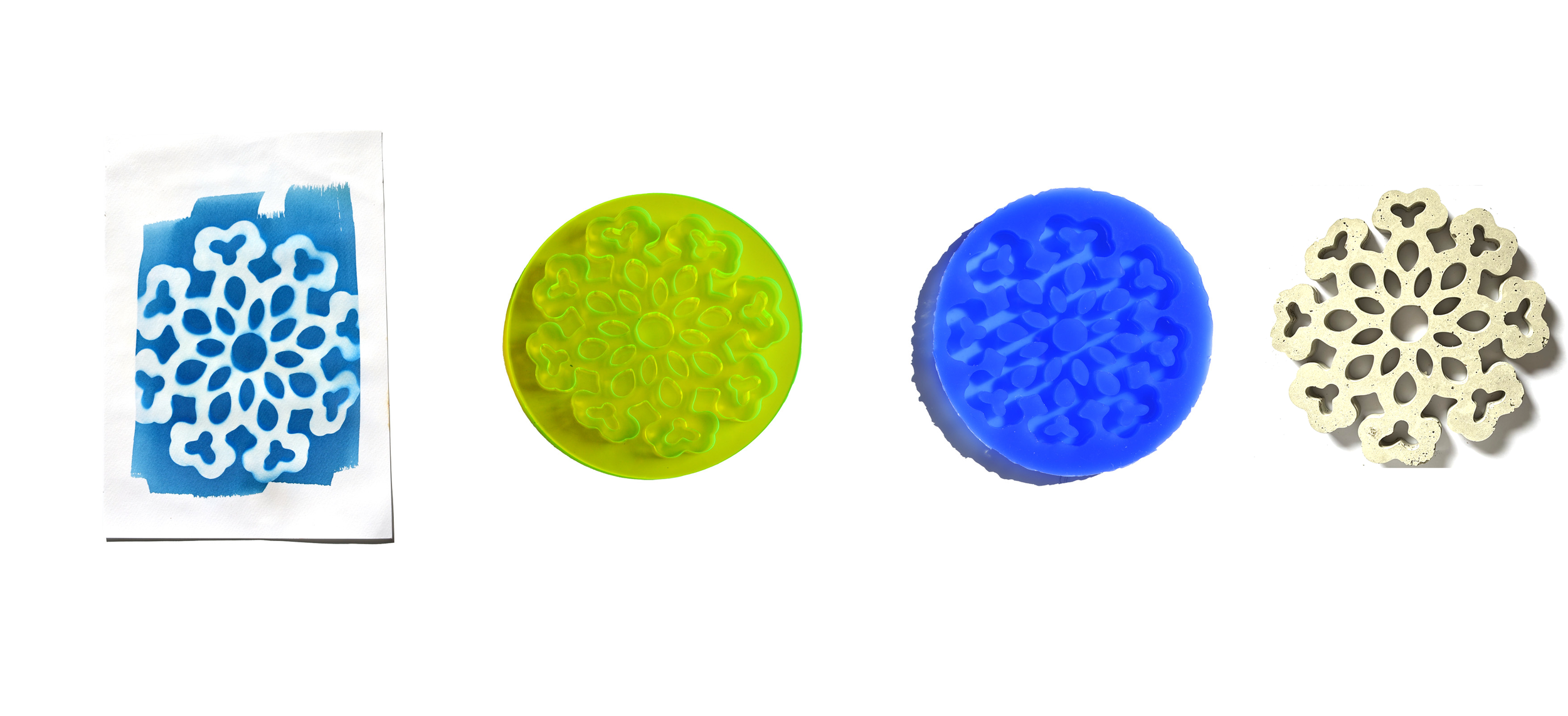
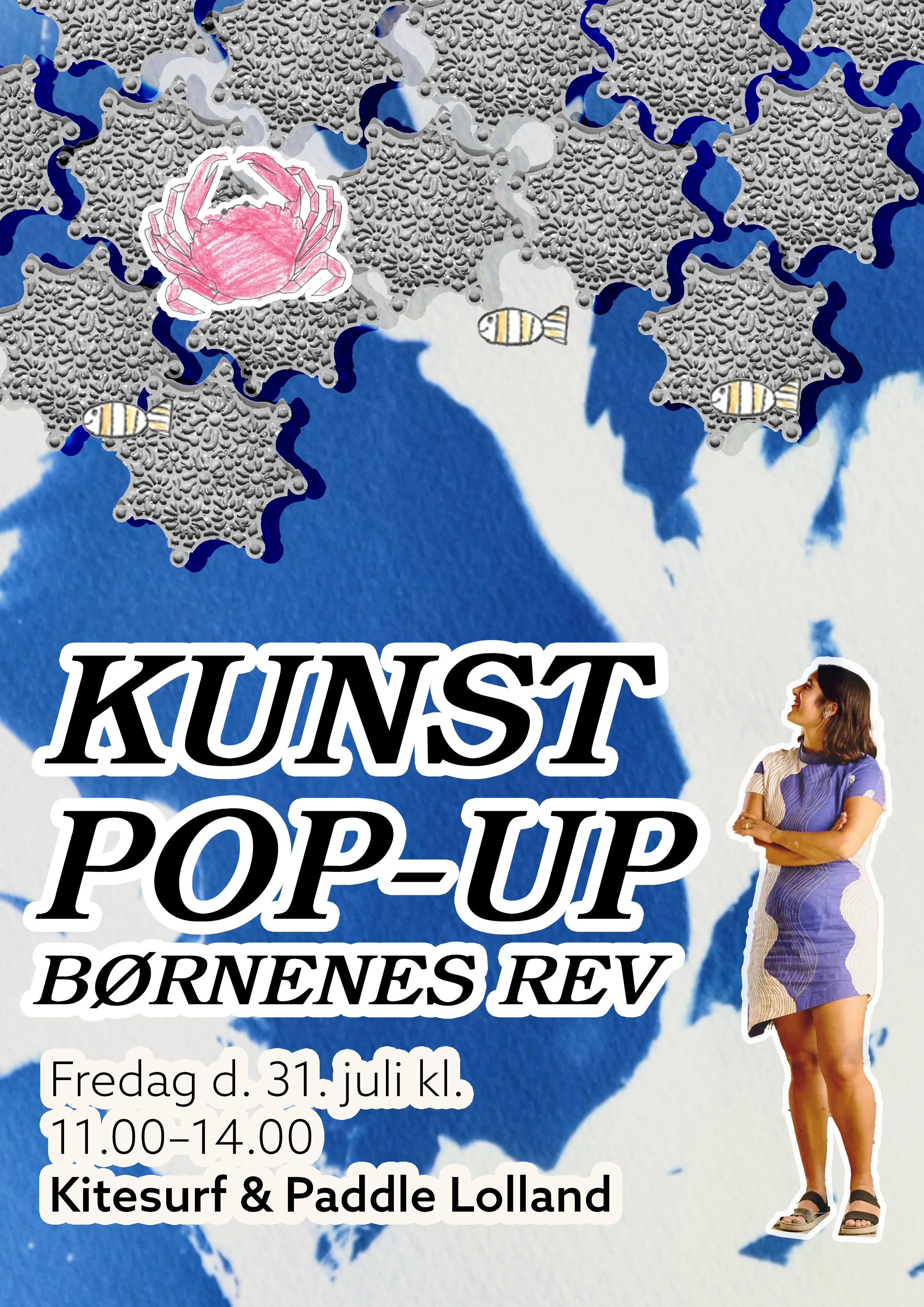
After raising 450 DKK through crowdfunding at Kite & Paddle Lolland in July 2026, we prototyped the workflow using publicly accessible fablab facilities to keep development costs low. We are now scaling the process in partnership with manufacturers.
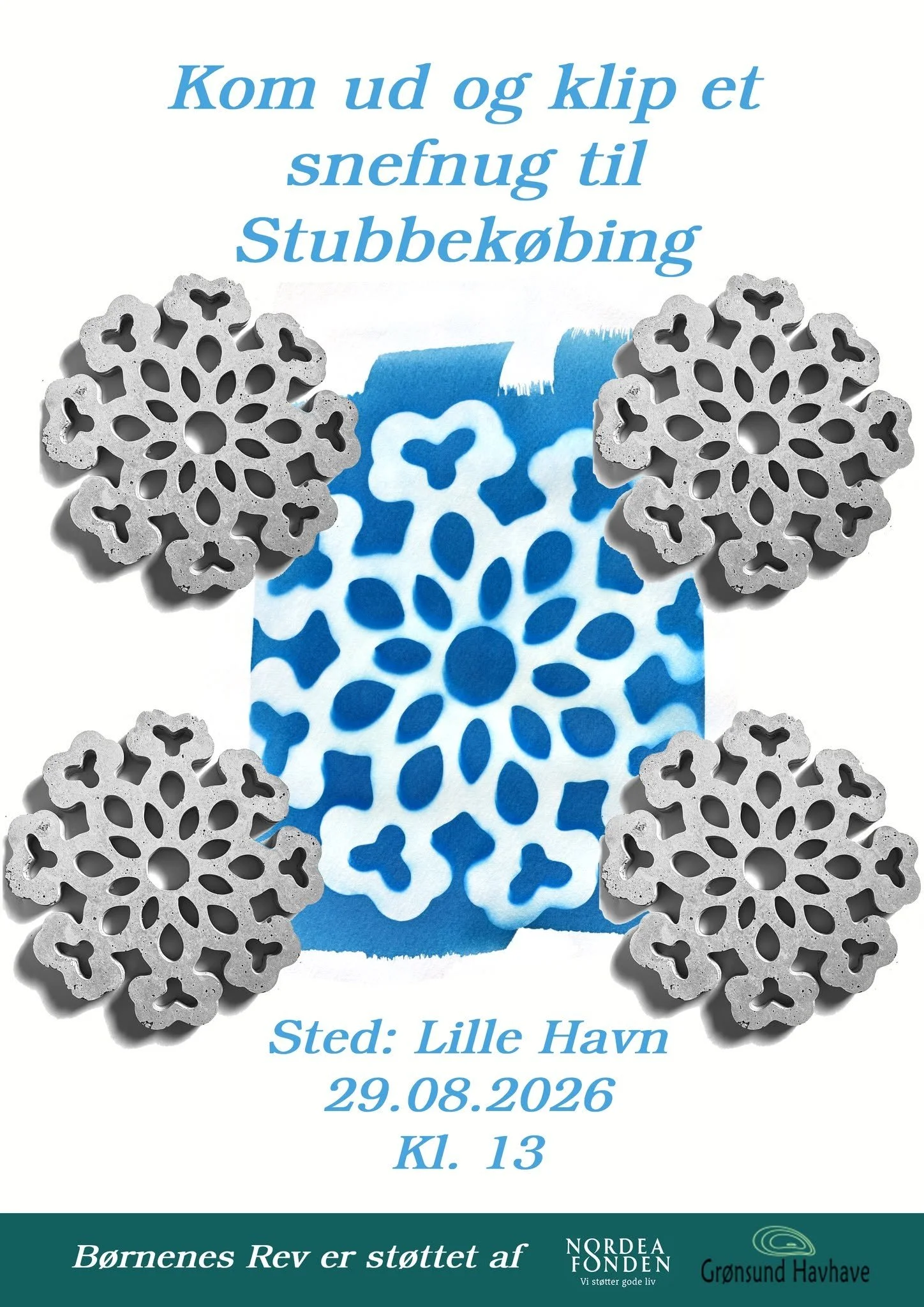
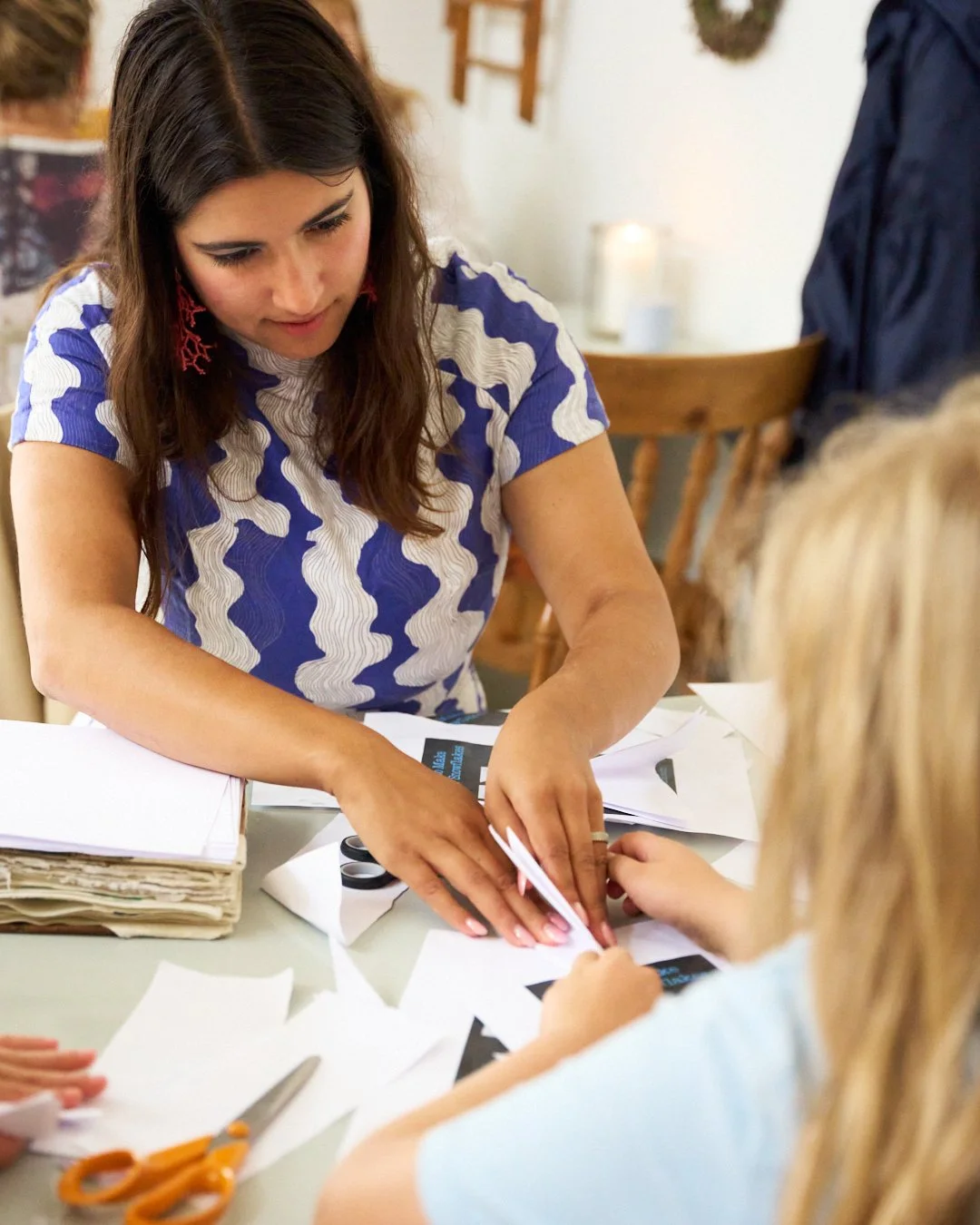
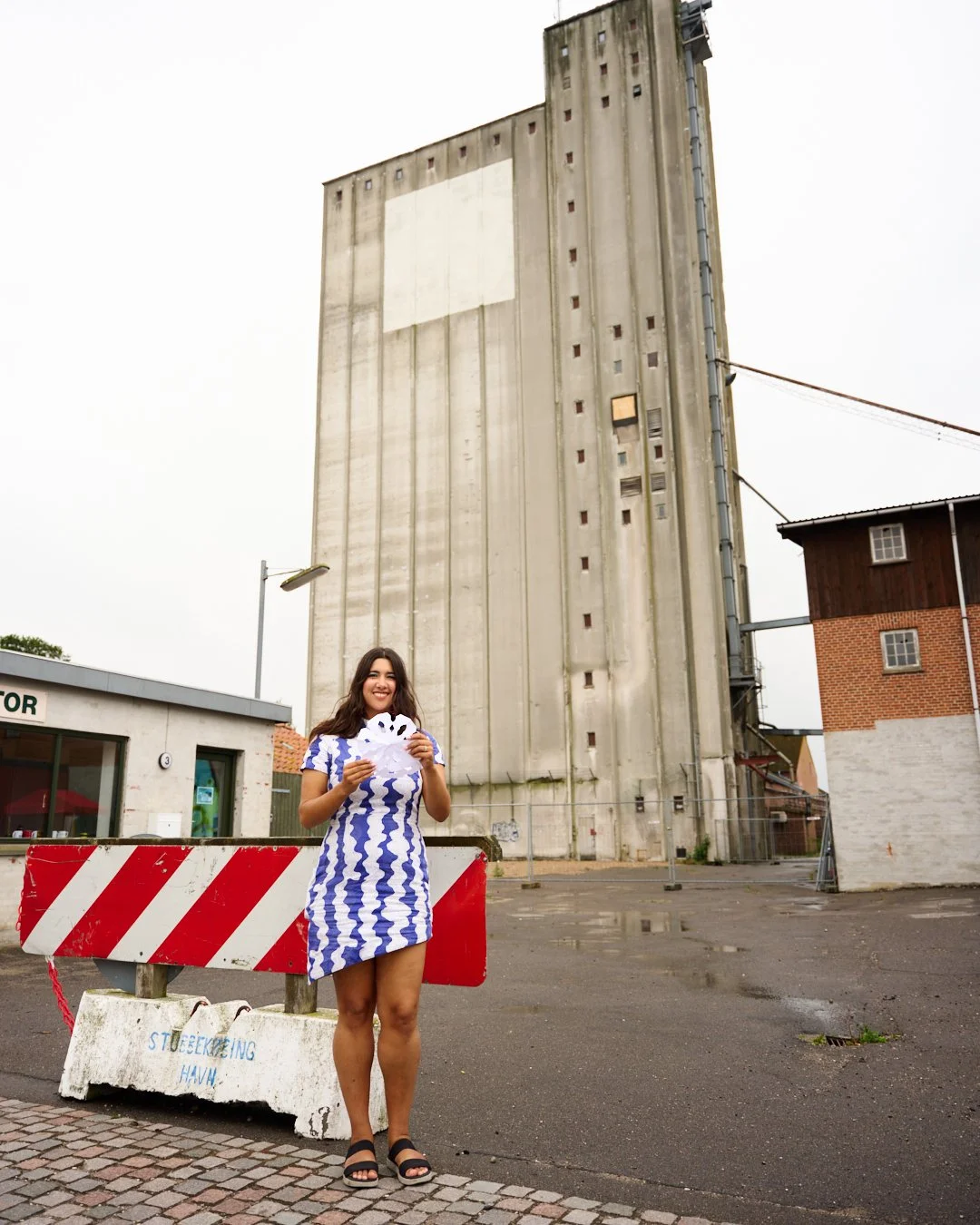
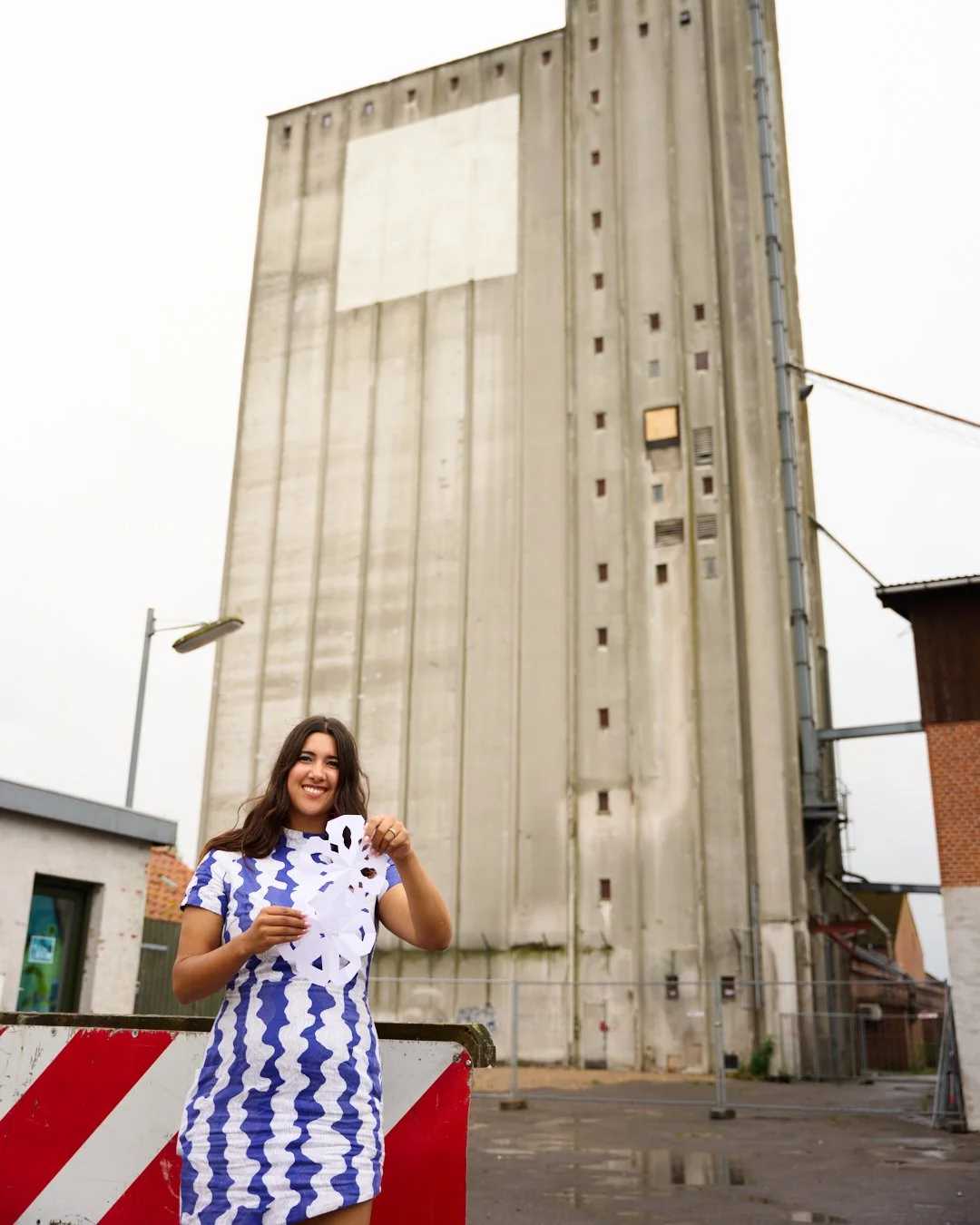
Our first site installation is in Stubbekøbing, where we are working with the local school to integrate the snowflake activity into the project. Public workshops in Stubbekøbing and Copenhagen have already involved more than 50 participants across age groups.
Crowdfunding as a motor.
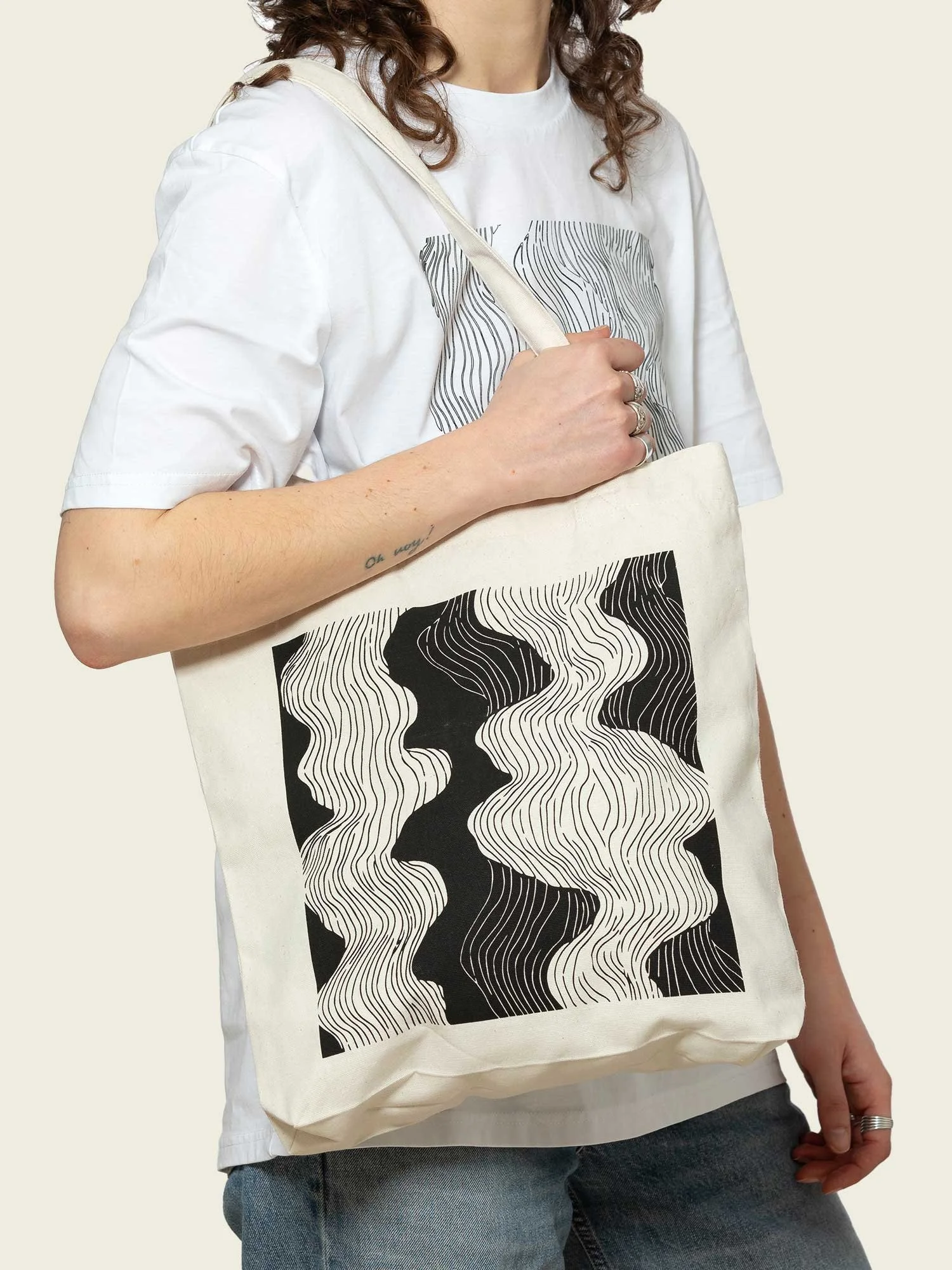
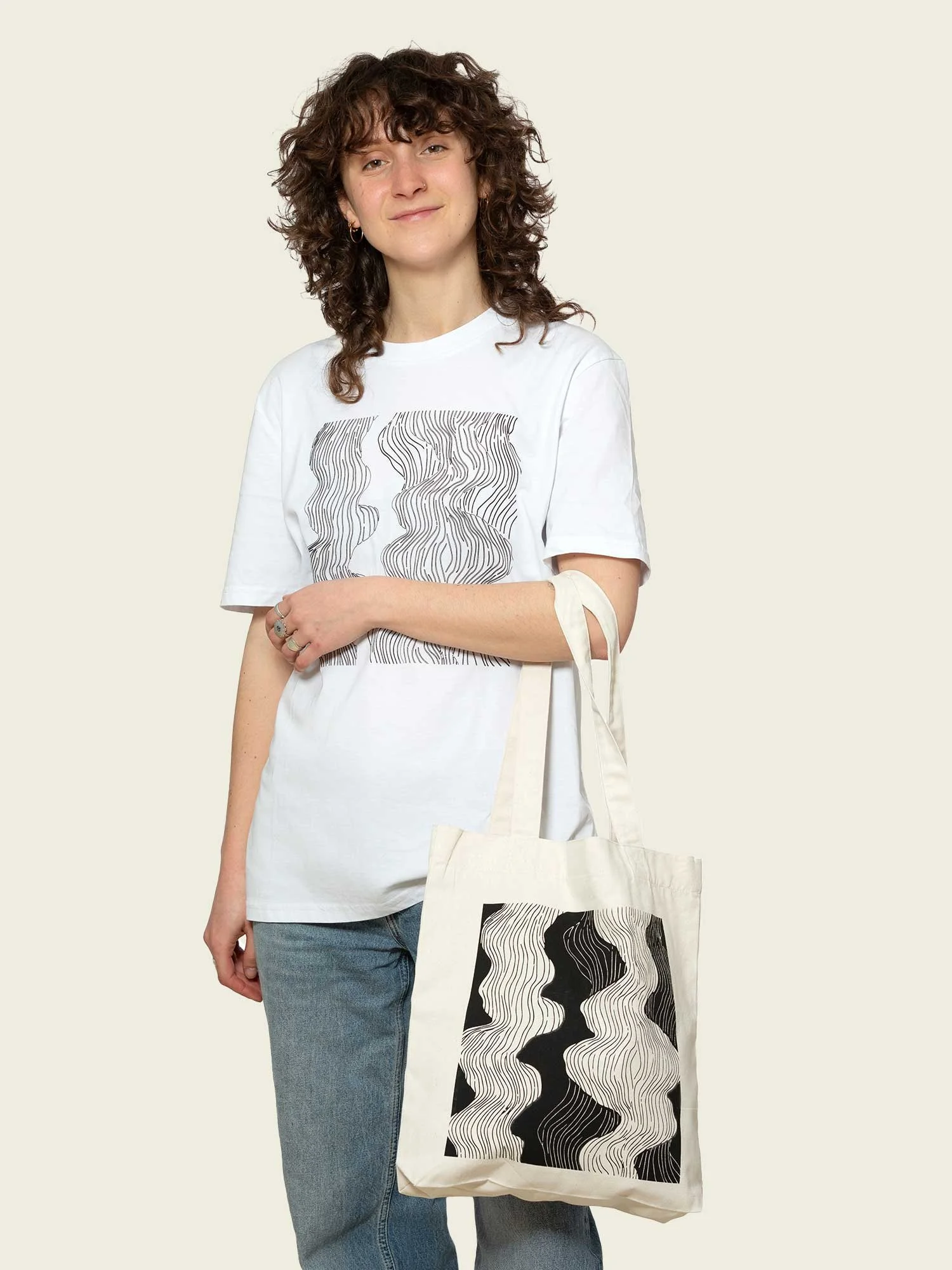
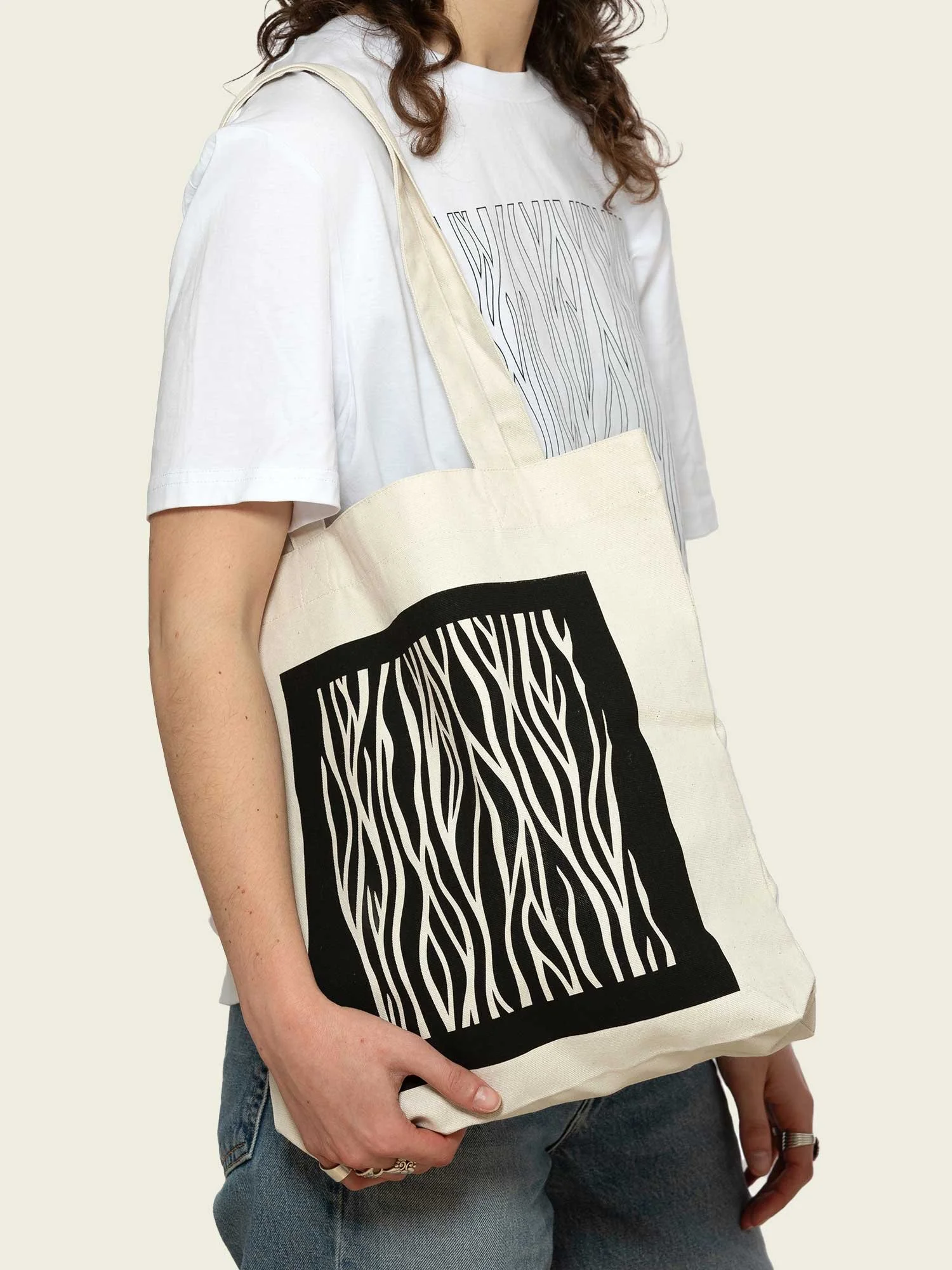
By working with lean development models, even small amounts of on-site crowdfunding can help projects begin small and grow over time. Through our studio shop Aquaværk, we use algae-ink merchandise and other small-scale sales to help finance new reef molds, field equipment, prototypes, and site investigations.
Aquaværk grew out of our longer-term material research into algae-based inks and printed products. The merchandise has previously been used to support marine restoration fundraising, including through sales in WWF’s webshop alongside an 8,000 DKK donation to the organisation. Today, Aquaværk forms part of Studio Kathryn Larsen’s lean development model for financing prototypes, fieldwork and public activities.
FAQs
Why does Denmark need reefs? We don't have coral here.
Denmark does have coral, actually. but reef restoration here is often less about tropical-style coral reefs and more about rebuilding lost habitat for fish, shellfish, algae and other marine life.
Danish waters historically contained extensive natural stone reefs, many of which were heavily reduced by decades of stone fishing. Today, organizations including WWF are restoring stone reefs, eelgrass meadows and mussel beds to rebuild habitat and biodiversity.
Small artificial reef projects like ours are not a substitute for large-scale marine restoration. They are one way communities can participate locally, learn about marine ecosystems, and help create habitat where appropriate.
Isn't the problem in Denmark that we have too much nutrient loading from agricultural run-off?
Biodiversity is not either/or. We hope the EVE framework can be adapted site by site to respond to what each place actually needs. Some sites may need more fish habitat, others eelgrass restoration, while others may require reductions in nutrient loading from multiple sources — challenges that can also depend on broader policy and legislation.
Our goal is not to prescribe one ecological solution, but to raise awareness and expand the ways communities can participate in restoring and caring for their local waterways.
You’re an architect, not a marine biologist. Why are you doing this?
EVE is not intended to replace marine biological expertise. Our role is to design the social framework around restoration: how people learn, participate, contribute, raise funds, document change, and stay engaged over time.
Marine biodiversity restoration is often underfunded and slow-moving, and the work becomes even more difficult once ecological tipping points are crossed. By building public awareness and local capacity, we hope to create more opportunities to finance specialist work, monitoring, and research — while strengthening the community participation that surrounds it.